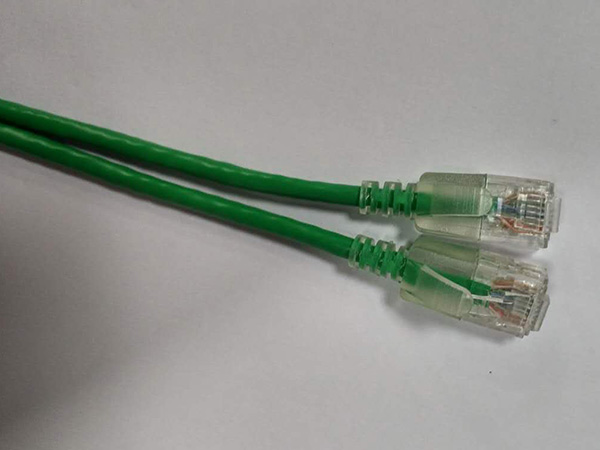
There are computer board jumper, optical fiber jumper, network jumper, etc
From the appearance, the "jumper" of the board card in the computer is a small metal rod (jumper post) embedded in the motherboard, sound card, hard disk and other devices, and a small clip (jumper clip) set on these metal rods. The function of the jumper is to adjust the on-off relationship of different electrical signals on the device and adjust the working state of the device, such as determining the motherboard voltage, the master-slave relationship of the driver, and so on. When the jumper clamp is sheathed with two jumper posts at the same time, it indicates that the two jumper posts are connected. If only one jumper post is sheathed or not, it indicates that it is disconnected. It is very important to adjust the jumper. If the jumper is wrong, it may cause the machine to crash, or even burn the whole equipment seriously. Therefore, when adjusting the jumper, you must carefully read the instructions, check the jumper name, jumper post number, and on-off relationship
The jumpers on the motherboard generally include CPU setting jumpers, CMOS clearing jumpers, BIOS prohibiting writing jumpers, etc. Among them, the CPU is the most complex to set the jumper. If the motherboard is older, you must set the core voltage, external frequency and octave jumper on the motherboard. Set the above corresponding jumpers according to the mainboard instructions and CPU frequency. Generally, a group of jumpers on the main board corresponds to the CPU voltage. Each jumper corresponds to a voltage value. Find the appropriate voltage value, plug in a key cap to short it, and select this voltage value. Similarly, find the external frequency jumper and octave jumper, and set the appropriate external frequency and octave respectively. Note that only one jumper can be short-circuited in each group of jumpers
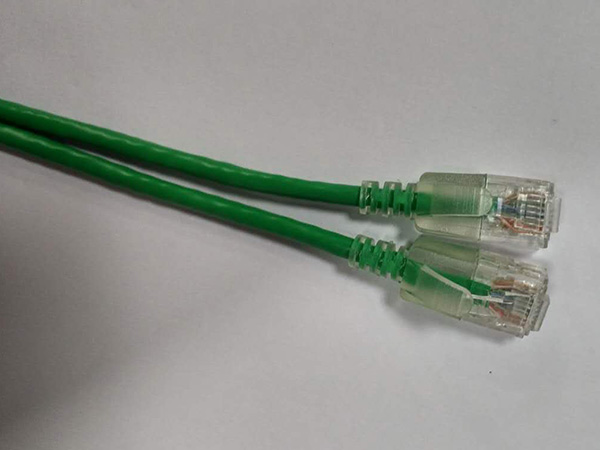
The jumper here refers to the copper connecting wire, which is made of standard jumper cable and connecting hardware. The jumper cable has two to eight copper cores, and the connecting hardware is two 6-position or 8-position module plugs, or they have one or more bare ends. Some jumpers have a module plug at one end and an 8-bit module slot at the other end, or are equipped with 100P wiring plugs, MICs, or module slots. The jumper is used to connect various links on the distribution frame, and can be used as the connecting cable of the distribution frame or equipment. Both ends of the modular jumper are RJ45 connectors, which adopt TIA/EIA-568A pin structure, and have flexible plugging design to prevent loosening and jamming. The length of jumper is from 1 foot (0.305 meters) to 500 feet (15.25 meters), and the most commonly used are 3 feet, 5 feet, 7 feet and 10 feet. Modular jumpers are used in the work area and can also be used as jumpers in the distribution room. In the DIY installation of small office network or home network, the dual-computer interconnection jumper is often mentioned. This kind of jumper is not a standard jumper used in generic cabling, but a special kind of hardware equipment connecting wire. It is used when two PC computers are directly connected by twisted pair, or when two HUBs are to be connected through RJ45 port, it requires a crossover (commonly known as cross-connect wire and jumper). It follows a special connection sequence